Back pain can stem from herniated discs, degenerative disc disease, or sacroiliac joint issues. It may also occur without any known cause. Because the source of pain varies from patient to patient, a physician needs information during the first visit. At Regenerative Medicine and Orthopedics, we help patients with back pain using non-surgical interventional medicine. Here’s how to prepare for your appointment with a back doctor:
Explain Symptoms in Detail
Make sure to document your symptoms for the back doctor during the first visit. Note when the pain started, where it is located, and whether it radiates to other parts of the body. Note the type of point, like dull or sharp. Radiating pain or weakness in the legs or arms can indicate inflamed or compressed spinal nerves. Symptoms that occur with specific activities or positions are key to diagnosis; they indicate which spinal structure generates the pain.
A physician might ask about the type of pain, such as a dull, constant ache or a sharp, localized pain. Spinal stenosis often causes leg heaviness or fatigue while walking, and some patients find relief when leaning forward. That specific pattern helps a spine doctor distinguish stenosis from other conditions, such as a herniated disc or sacroiliac joint inflammation. A better description of symptoms helps narrow down the diagnosis.
Gather Medical Records and Imaging
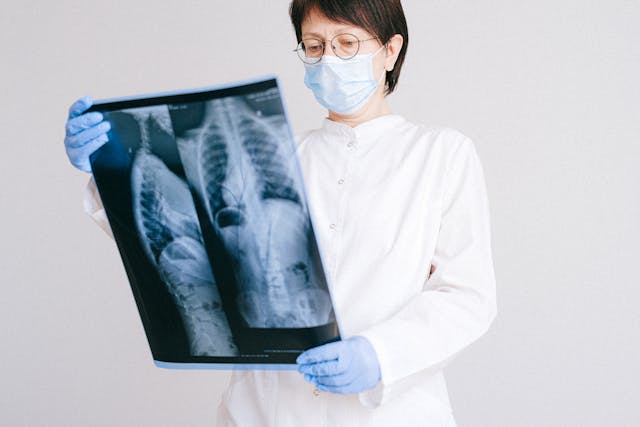
If available, bring X-rays or scans of your spine from a previous provider ahead of your appointment. MRIs help with spinal injection procedures and for evaluating soft tissue structures like discs and nerves. CT scans are used when a spinal fracture is suspected. Bring a complete list of all current medications, including over-the-counter drugs like ibuprofen or acetaminophen. Anti-inflammatory medications are often a first-line treatment for persistent back pain, and if you have already tried them, your doctor needs to know whether they provided relief. If you have had prior treatments, such as physical therapy, steroid injections, or other procedures, they should be documented. A spine doctor who understands what has already been attempted can build a more targeted treatment plan from the start.
Review the Type of Specialist
Back doctors offer both surgical and non-surgical options. Surgical specialists, such as neurosurgeons and orthopedic spine surgeons, treat conditions like severe spinal stenosis, instability, and complex fractures. Non-surgical specialists, such as physical medicine and rehabilitation doctors, help diagnose and manage spinal and musculoskeletal pain.
A non-surgical specialist focuses on identifying and treating the root cause of pain. Treatments may include epidural steroid injections, facet joint injections, sacroiliac joint injections, or platelet-rich plasma (PRP) therapy. Some of these solutions use growth factors from your own blood to promote tissue repair. Because these two categories of providers offer fundamentally different approaches, it is worth clarifying the specialist’s focus before your appointment so you arrive with the right questions.
Use a Back Doctor
An appointment with a back doctor includes symptom history, prior imaging, and specific questions about treatment. Spine conditions involve multiple structures, like discs, nerves, joints, ligaments, and tendons; the more organized the information helps a specialist identify the source of your pain. Contact our team at Regenerative Medicine and Orthopedics and schedule a non-surgical spine consultation.